Types of peptides: seven families
Grouped by what they act on, not by what they are marketed for. Each overview explains the mechanism shared within the family and where the evidence diverges.
What are peptides?
Peptides are short chains of amino acids joined by peptide bonds: the same building blocks as proteins, in smaller numbers. The 25 on Residue range from three residues (KPV, lysine-proline-valine1PubMedPepT1-mediated tripeptide KPV uptake reduces intestinal inflammation. Dalmasso G et al. Gastroenterology. 2008.) and five (ipamorelin2PubMedIpamorelin, the first selective growth hormone secretagogue. Raun K et al. Eur J Endocrinol. 1998.) through 29 (sermorelin, the active fragment of growth-hormone-releasing hormone3PubMedSermorelin: a review of its use in the diagnosis and treatment of children with idiopathic growth hormone deficiency. Prakash A & Goa KL BioDrugs. 1999.) to 44 (tesamorelin4PubChemPubChem compound record: Tesamorelin. C221H366N72O67S · MW 5136 g/mol.).
Most of them copy or modify a signal the body already makes. Semaglutide, for example, is a GLP-1 receptor agonist5FDAOZEMPIC prescribing information: Indications and Usage. FDA-approved labeling via openFDA/DailyMed, version effective 2026-07-30., and the growth-hormone-axis peptides act on the pituitary3,2. Being a peptide says nothing on its own about safety or benefit: that depends on the evidence for each molecule, which is why each family below is graded compound by compound.
-
Incretin & amylin agonists
Which incretin-class peptides have the strongest human evidence?
-
Growth-hormone axis peptides
How do GHRH analogs differ from ghrelin-mimetic secretagogues?
-
Tissue-repair & anti-inflammatory peptides
Is there human evidence for BPC-157, TB-500, GHK-Cu or KPV?
-
Regulatory peptides
How strong is the evidence for selank, semax, epitalon, DSIP and kisspeptin-10?
-
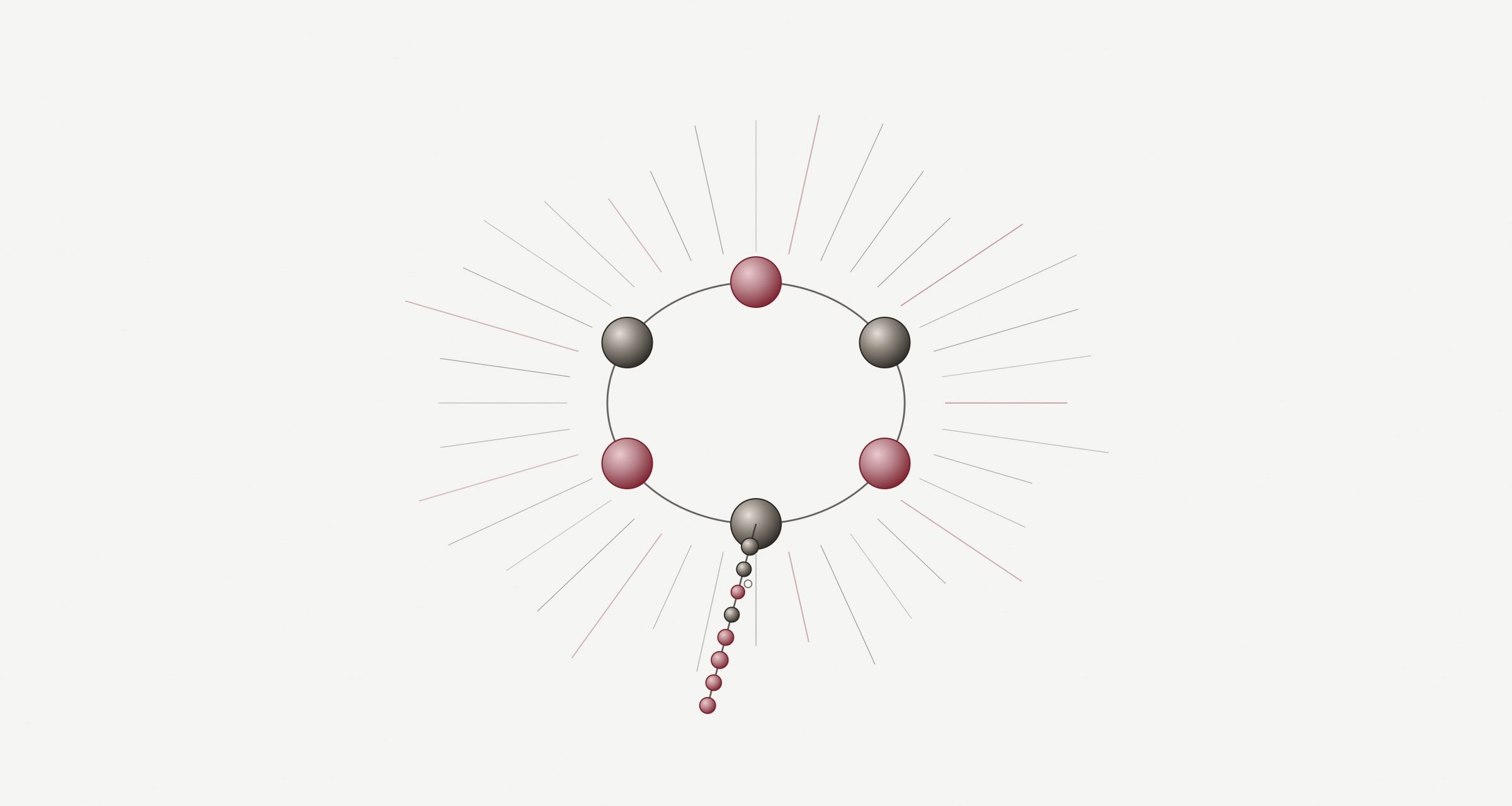
Melanocortin peptides
Which melanocortin peptides are approved, and which are not?
-
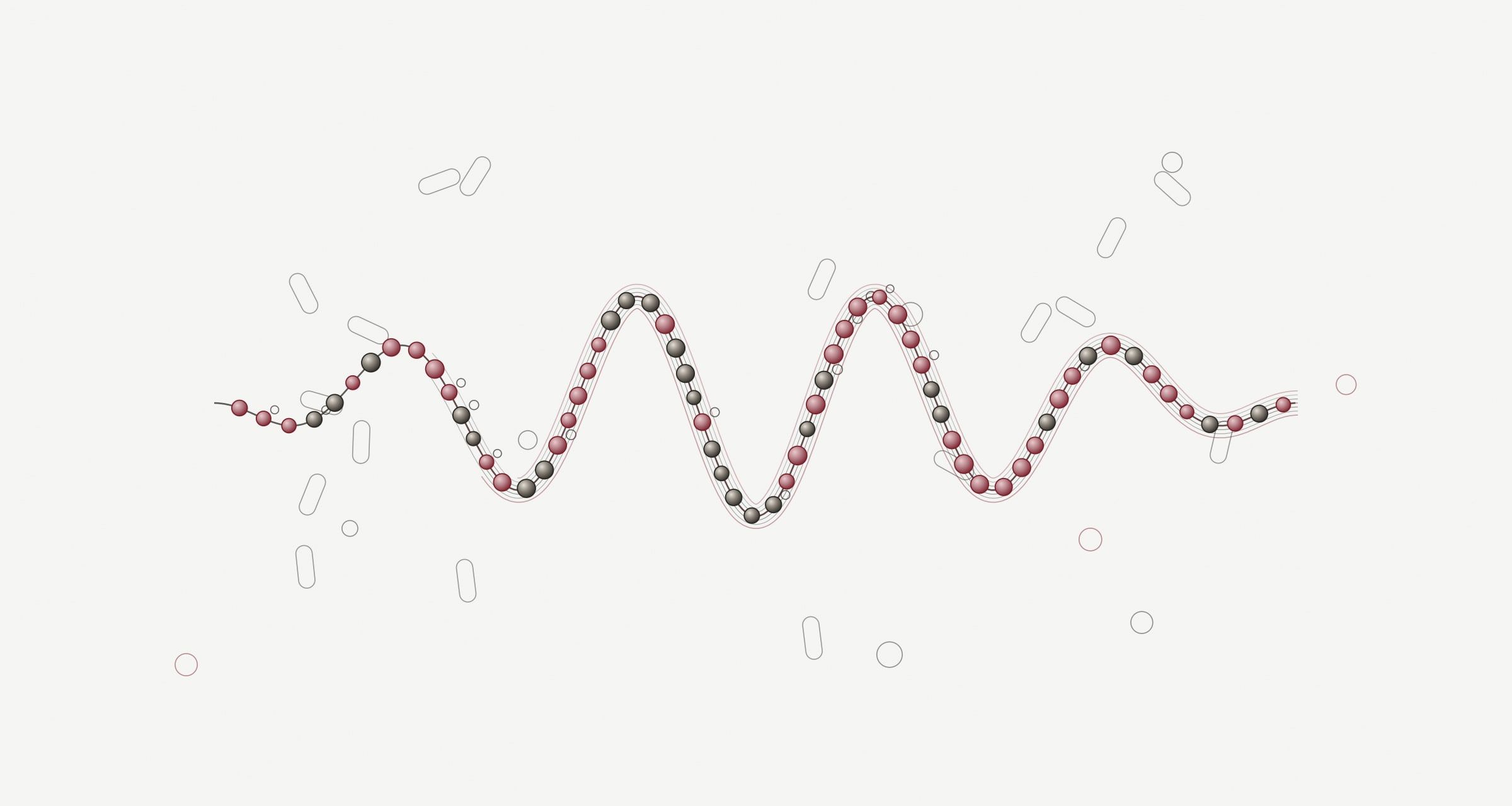
Immune & host-defense peptides
What do the randomized trials show for thymosin alpha-1 and LL-37?
-
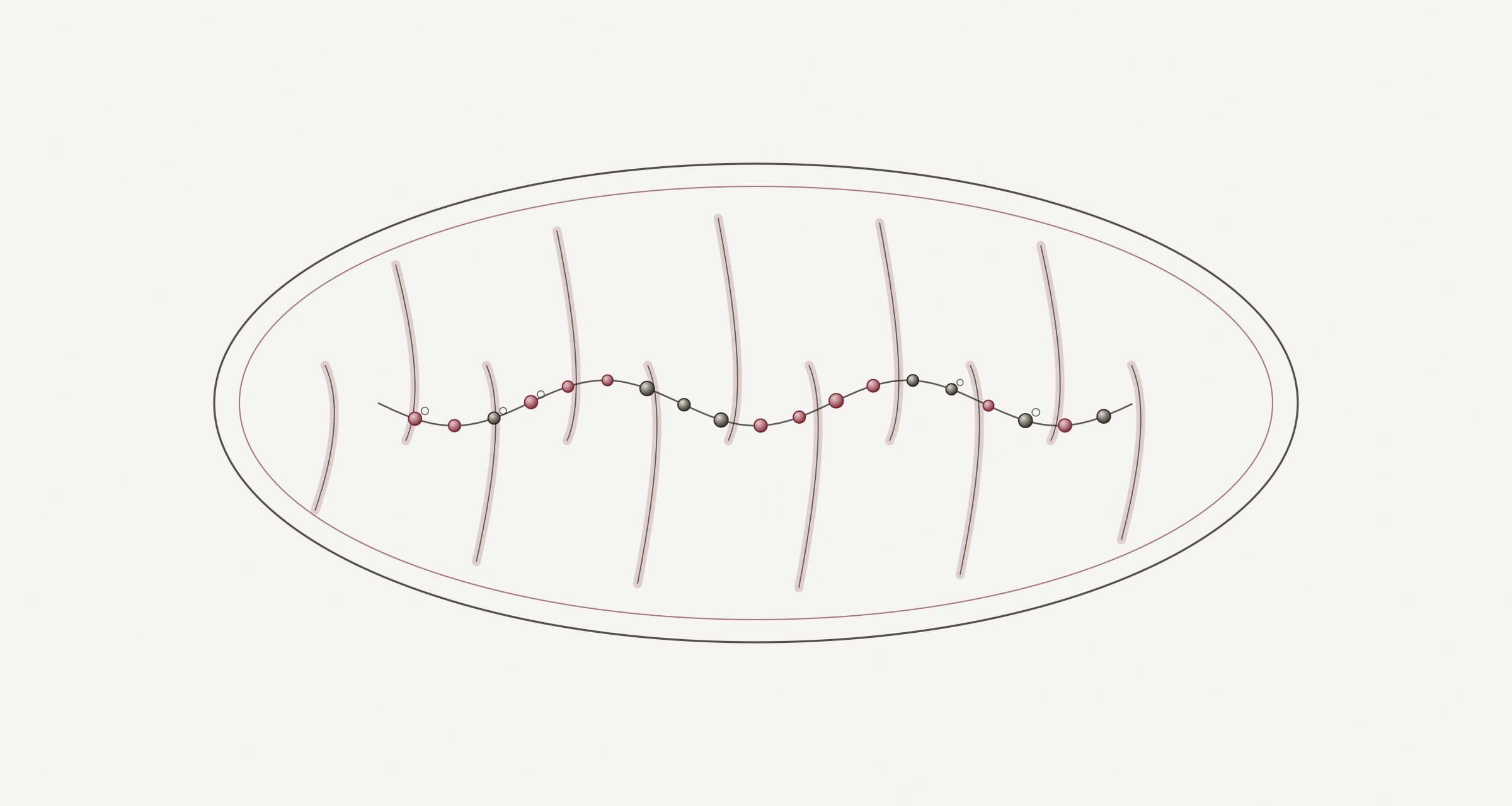
Mitochondria-targeted peptides
What separates MOTS-c from elamipretide (SS-31)?
References
Every source below was retrieved from its official API or page and cached on the data-edition date. Numbers match the margin notes.
- 1 PubMed Dalmasso G, Charrier-Hisamuddin L, Nguyen HT, et al. PepT1-mediated tripeptide KPV uptake reduces intestinal inflammation. Gastroenterology 2008. PMID 18061177; doi:10.1053/j.gastro.2007.10.026.
- 2 PubMed Raun K, Hansen BS, Johansen NL, et al. Ipamorelin, the first selective growth hormone secretagogue. Eur J Endocrinol 1998. PMID 9849822; doi:10.1530/eje.0.1390552.
- 3 PubMed Prakash A, Goa KL. Sermorelin: a review of its use in the diagnosis and treatment of children with idiopathic growth hormone deficiency. BioDrugs 1999. PMID 18031173; doi:10.2165/00063030-199912020-00007.
- 4 PubChem PubChem compound record: Tesamorelin. C221H366N72O67S · MW 5136 g/mol.
- 5 FDA OZEMPIC prescribing information: Indications and Usage. FDA-approved labeling via openFDA/DailyMed, version effective 2026-07-30.